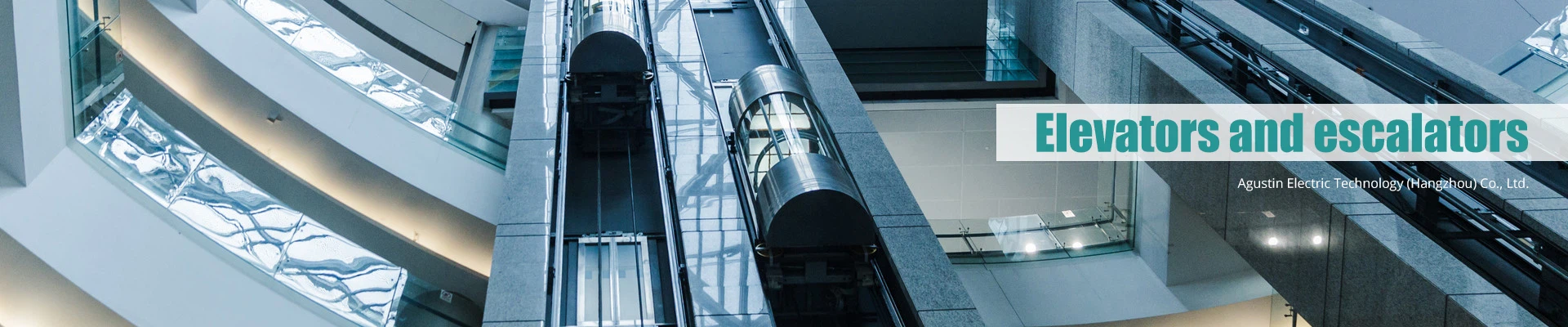
A vertical lift is a type of lifting device that moves objects or people straight up and down, usually within a enclosed shaft or guide rails. It is commonly used in buildings, warehouses, and industrial settings as a means of quickly and safely transporting goods and people between different floors or levels.
Vertical lifts come in many different forms and sizes, ranging from small passenger elevators to large cargo lifts capable of lifting heavy loads. They can be powered by various sources such as hydraulic, electric or pneumatic energy, and can be installed as stand-alone systems or integrated into larger building automation and control systems.
One of the benefits of a vertical lift is that it allows for optimal use of space within a building or facility. Since the lift moves only vertically, it requires minimal floor space and can easily fit into tight and confined areas. This makes it an ideal choice for buildings with limited floor space or those where a traditional staircase or ramp would be impractical.
In addition to its space-saving capabilities, a vertical lift also offers several other advantages. For instance, it can help improve the accessibility and mobility of people with disabilities or those who have difficulty using stairs. It can also increase the efficiency of product movement within industrial settings, reducing the need for manual labor and increasing throughput.
Vertical lifts also have a strong safety record, with many modern lifts designed with numerous safety features such as emergency stop buttons, interlocks, and redundant systems to prevent accidents and malfunctions. This makes them a reliable and secure option for transporting people and goods within a building or facility.
Vertical lift is a valuable tool for any building or facility that requires efficient, safe, and reliable vertical transportation. With its many benefits and ease of use, it is an excellent investment for businesses looking to streamline their operations and improve their productivity.